
with traditional crafts such as spinning, weaving, and knitting dating back centuries. In the early 20th century, there was a revival of interest in these crafts, as artists and designers sought to promote the use of locally sourced materials and techniques.
In the early 1900s, artists and designers began to take a renewed interest in these crafts, promoting the use of local materials and techniques.

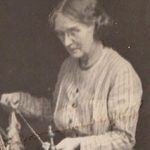
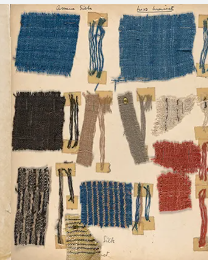
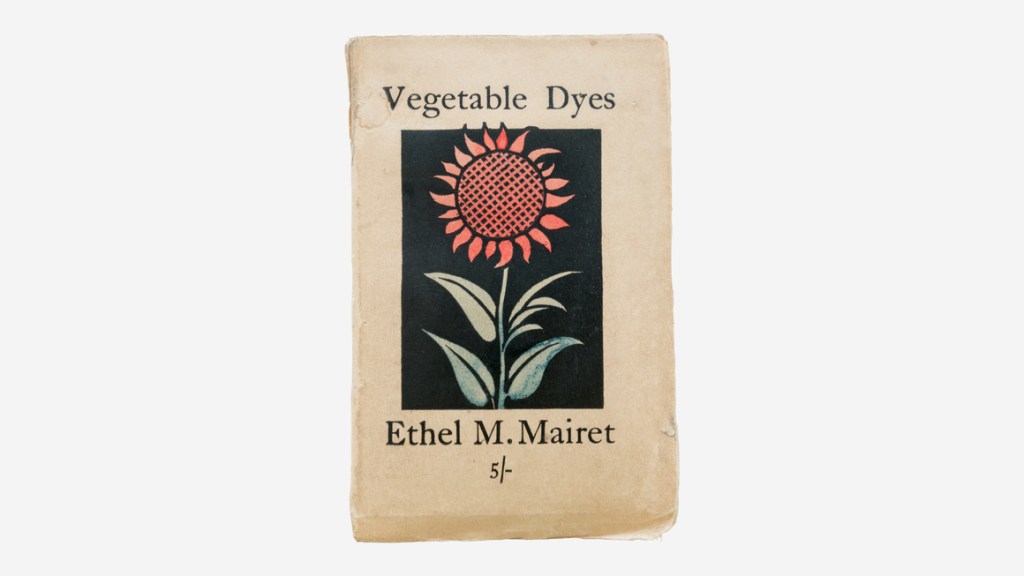
One of the most important figures in the Irish textile art scene was Ethel Mairet, a British weaver who moved to Ireland in the 1930s. She started the Ditchling Weavers in Sussex, before later settling in rural Ireland, where she set up a weaving studio and taught local craftspeople. Mairet’s publication A Book on Vegetable Dyes was printed by Hilary Pepler at the Hampshire House Press, London. It was so successful it led to another 3 editions and her association with Pepler led her to Ditchling.
Another key influencer in Irish textile art was the Tapestry Workshop, which the government established in the 1940s to develop the craft. The workshop brought artists and weavers together from across the country, producing large-scale tapestries for public buildings.
Nowadays, Irish textile art is experiencing a resurgence, with many contemporary artists exploring the medium in new and exciting ways. Here are a few notable names:

Dorothy Cross – a cool multidisciplinary artist who often uses textiles to explore themes of identity and heritage.
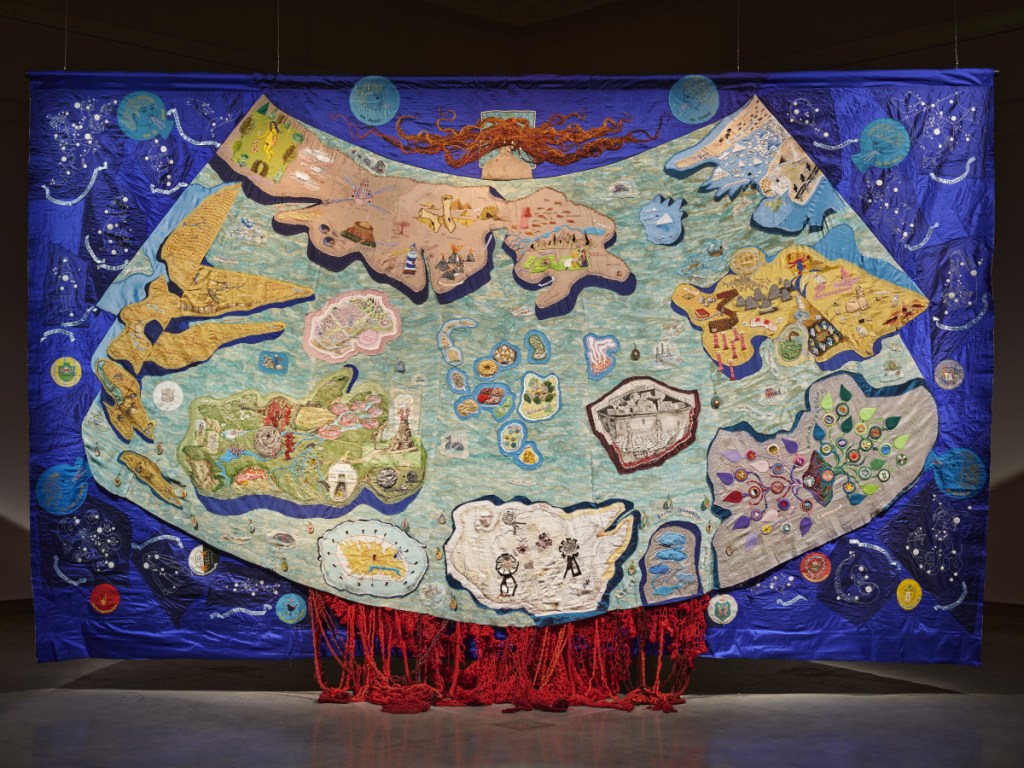
Alice Maher – a super talented artist who works across a variety of mediums, including textiles. Her work often features natural materials, like feathers and leaves.
Liz Nilsson – a Swedish-born artist who now lives in Ireland. Nilsson’s sculptures often blur the line between art and craft, and are made from natural materials like wool, silk, and linen. Bernadette Madden – a textile artist who specializes in intricate, hand-stitched pieces that explore memory and nostalgia. Her work often features vintage fabrics and found objects.
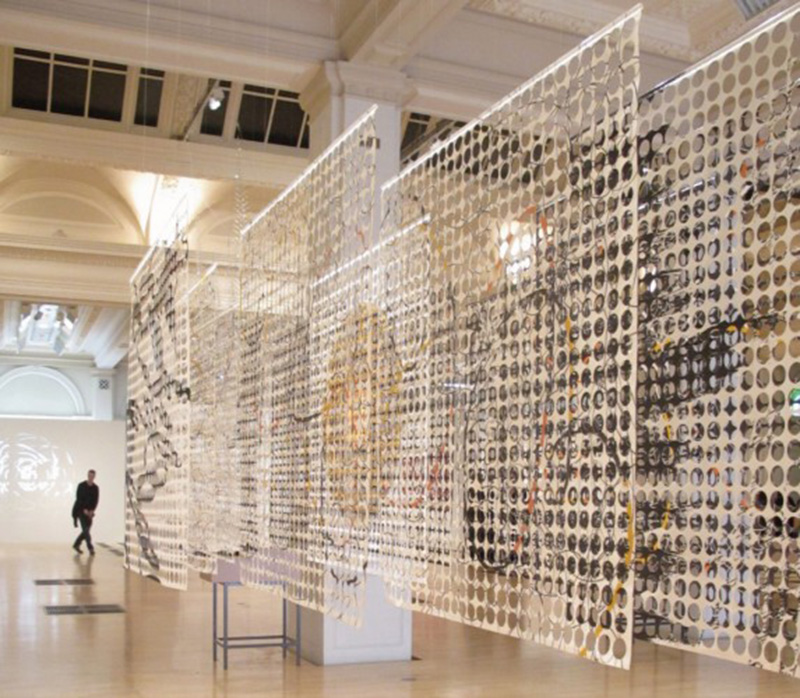
These are just a few of the awesome textile artists making waves in Ireland today. With such a rich history to draw on, it’s no wonder that the medium continues to inspire artists in the country.
 Cork Textiles Network